
Glow Stack 70mg: Breaking Down the BPC-157, TB-500, and GHK-Cu Research Blend

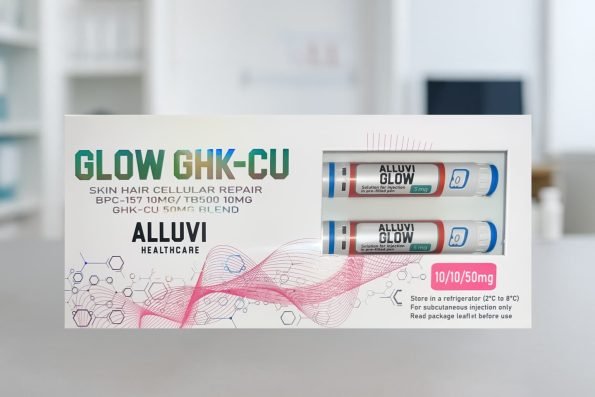
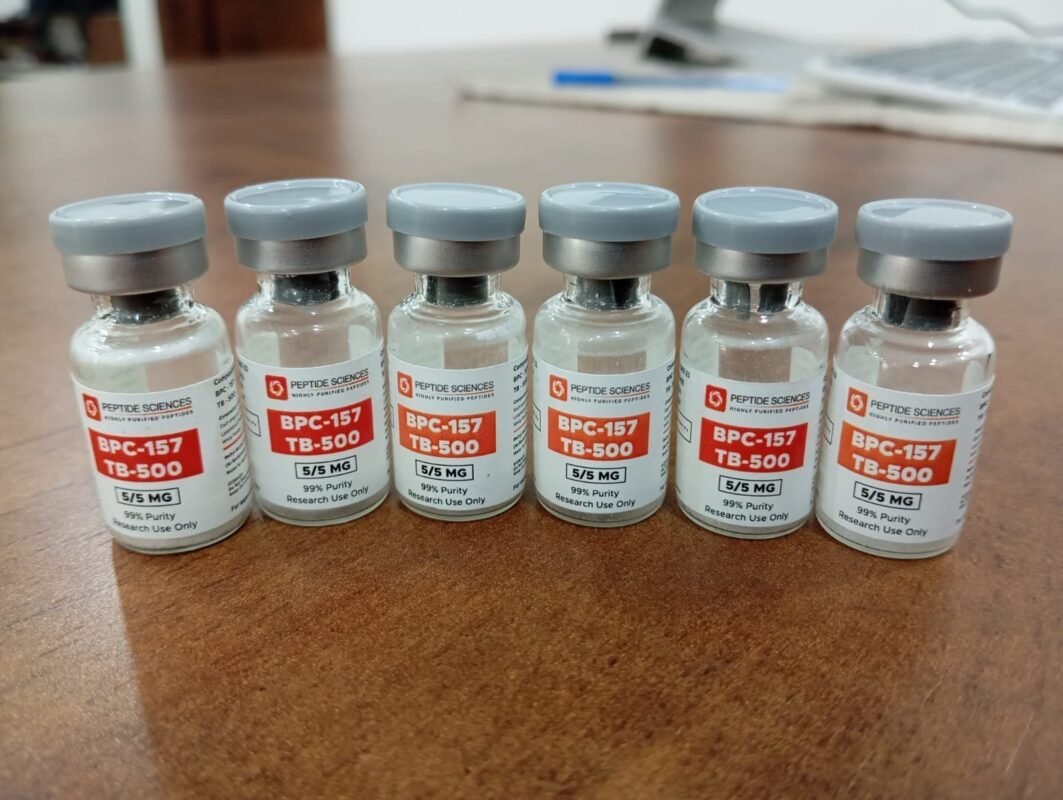
Glow 70mg peptide stack research:
The Glow Stack 70mg is not a random combination of popular peptides. Each of its three components — GHK-Cu, BPC-157, and TB-500 — addresses tissue repair through a distinct and well-characterised molecular mechanism, and the rationale for combining them reflects decades of preclinical research across wound healing, anti-inflammatory science, and cellular regeneration biology. For UK researchers evaluating this blend for controlled laboratory protocols, understanding the scientific basis of the formulation is more useful than a surface-level product overview. This guide provides exactly that. View the Glow 70mg peptide product page at EvolvelabsUK for current stock details.
The Scientific Rationale for a Three-Compound Regenerative Blend
Single-compound regenerative research has clear value — it allows researchers to isolate the contribution of one compound to a specific biological outcome. Multi-compound blends serve a different research function: they model the way real biological repair processes work, which is always multi-pathway and never reliant on a single molecular mechanism.
When tissue is damaged, the repair response involves simultaneous activation of cellular migration pathways, vascular reconstruction, extracellular matrix deposition, and inflammatory resolution. No single peptide addresses all of these processes with equal depth. The Glow Stack 70mg was formulated to address all four in a single research preparation, with each peptide assigned to the pathway it addresses most effectively based on published preclinical data. This makes it the most relevant tool for researchers whose study designs require a comprehensive model of multi-pathway regeneration rather than isolated single-mechanism data.
GHK-Cu (50mg): The Structural Backbone of the Glow Stack
GHK-Cu carries the highest quantity in the Glow 70mg formulation for good reason. Its research profile is the broadest of the three compounds, spanning collagen synthesis, gene expression modulation, angiogenesis, and antioxidant enzyme activation across a larger published evidence base than either BPC-157 or TB-500.
At 50mg per blend, GHK-Cu provides the extracellular matrix scaffolding research model — driving fibroblast production of collagen types I and III, stimulating fibronectin deposition, and activating the coordinated MMP/TIMP remodelling system that clears damaged tissue while depositing new structural protein. It also modulates over 4,000 human genes in in-vitro experimental settings, according to research published through PubMed Central, with the majority of affected genes linked to tissue repair and anti-inflammatory regulation.
GHK-Cu’s VEGF upregulation also contributes an angiogenic component to the blend that overlaps with — but is mechanistically distinct from — BPC-157’s pro-angiogenic activity, creating a layered vascular reconstruction model within the single formulation.
BPC-157 (10mg): Acute Repair Signalling and Vascular Modulation
BPC-157 contributes 10mg to the Glow 70mg formulation — a research quantity calibrated to its role as the acute repair signalling component of the blend rather than the primary structural driver.
Its nitric oxide pathway modulation increases local blood flow and vascular tone at injury sites, complementing GHK-Cu’s VEGF-driven angiogenesis with a faster-onset haemodynamic effect. BPC-157’s growth hormone receptor upregulation in fibroblasts and osteoblasts adds an amplification layer to the collagen response already driven by GHK-Cu, producing a synergistic effect on structural protein deposition that neither compound achieves at the same magnitude alone.
BPC-157 also provides gastroprotective signalling — a unique contribution within the Glow blend that extends its relevance to gastrointestinal integrity research models where neither TB-500 nor GHK-Cu have documented primary activity. Researchers seeking deeper standalone BPC-157 data will find the published literature clearly summarised through PubMed Central’s BPC-157 mechanism review.
TB-500 (10mg): Cellular Migration and Anti-Inflammatory Resolution
TB-500 brings the cytoskeletal dimension to the Glow Stack — the mechanism that physically moves repair-competent cells into the wound environment. Without adequate cellular migration, even a fully activated collagen synthesis response and a well-vascularised repair bed cannot produce efficient wound closure. TB-500’s actin-sequestering activity drives lamellipodia formation in fibroblasts and keratinocytes, directing them toward the wound margin at an accelerated rate.
At 10mg within the blend, TB-500 also contributes its anti-inflammatory cytokine modulation — reducing TNF-a, IL-1b, and IL-6 expression in the inflamed tissue environment. This anti-inflammatory activity creates the quieter cellular environment in which GHK-Cu and BPC-157 can drive productive collagen deposition and vascular reconstruction without the inhibitory effect that sustained inflammation exerts on extracellular matrix assembly.
| ComponentQuantityPrimary MechanismResearch Role in Glow Stack | |||
| GHK-Cu | 50mg | Collagen synthesis, gene expression, angiogenesis (VEGF) | Structural matrix backbone and gene-level repair modulation |
| BPC-157 | 10mg | NO signalling, GH receptor upregulation, angiogenesis | Acute vascular and growth factor amplification |
| TB-500 | 10mg | Actin binding, cellular migration, anti-inflammatory | Cell recruitment and inflammatory resolution |
Reconstitution Protocol for the Glow Stack 70mg
The Glow 70mg blend is supplied as a single lyophilized preparation containing all three peptides at the specified quantities. Reconstitution follows standard bacteriostatic water (BW) protocol — all three compounds (GHK-Cu, BPC-157, and TB-500) are water-soluble and dissolve readily in BW without requiring additional solvents.
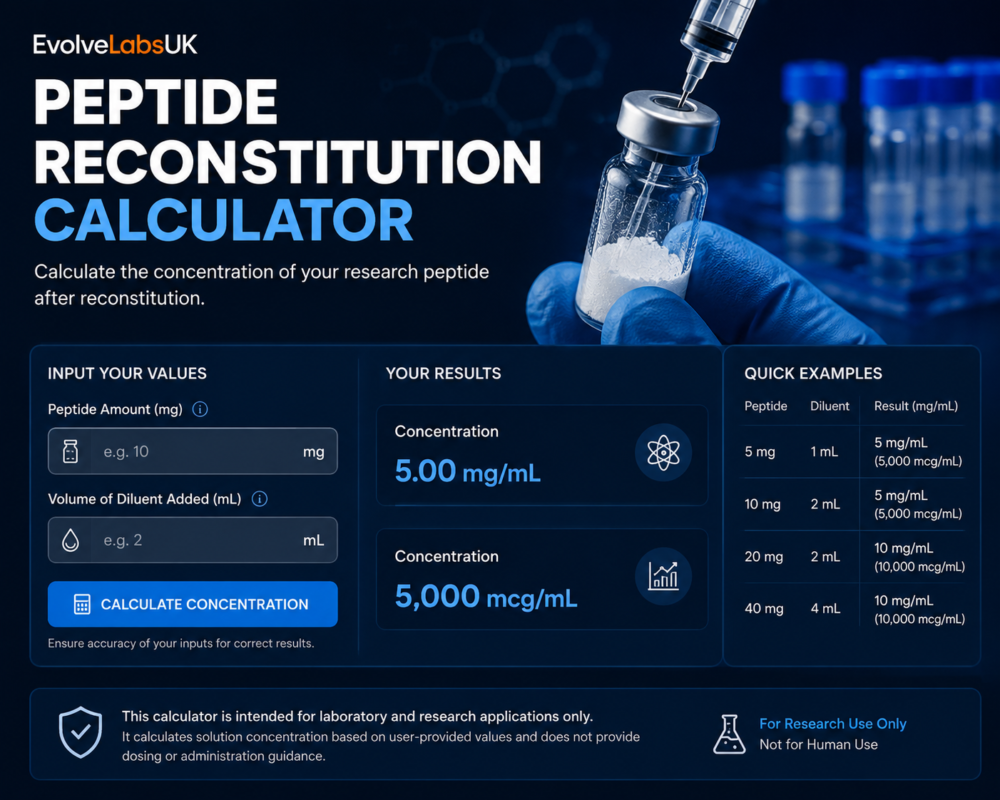
Working Concentration by Reconstitution Volume (Glow 70mg peptide)
Adding 7ml of BW to a Glow 70mg peptide vial yields a total blend concentration of 10mg/ml. Adding 14ml yields 5mg/ml. The appropriate working concentration depends on the per-dose quantities required by the study design and the injection volume that fits the research model’s administration route. Insert BW slowly along the inner vial wall, swirl gently until fully dissolved, label with reconstitution date, and store at 2-8°C. Use within 28 days. Do not freeze reconstituted solution.
Research Applications That Suit the Glow Stack Format
The Glow 70mg peptide is best suited to research designs that examine multi-pathway tissue repair rather than isolating a single mechanism. Dermal wound healing models benefit from its combined collagen (GHK-Cu), cellular migration (TB-500), and vascular (BPC-157 and GHK-Cu) activity. Musculoskeletal repair models — where tendon, ligament, and muscle healing involve simultaneous extracellular matrix deposition and cellular migration — are a natural fit for the combined preparation.
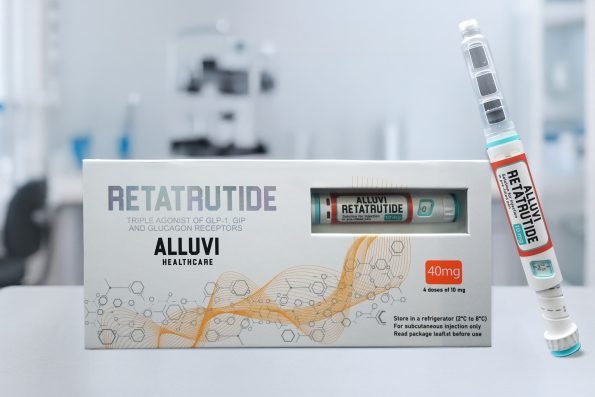
Researchers studying systemic anti-ageing markers, oxidative stress modulation, or gene expression changes in aged tissue models will also find the Glow Stack relevant given GHK-Cu’s documented gene expression effects. For laboratories combining regenerative peptide research with metabolic compound protocols, EvolvelabsUK stocks the Glow 70mg peptide stack alongside Alluvi Retatrutide 40mg, Tirzepatide 40mg pen, and NAD+ injections for complete multi-domain compound access.
Where to Source the Glow Stack 70mg in the UK
The Glow 70mg peptide requires the same quality documentation as any multi-compound research blend — a batch-specific COA confirming the identity, quantity, and purity of all three components, not just the total blend weight. EvolvelabsUK stocks the Glow 70mg peptide from Alluvi Healthcare with full documentation and UK-based logistics. Review our sourcing standards on the About EvolvelabsUK page. Researchers building broader compound inventories can procure the Glow stack alongside the retatrutide bundle through the EvolvelabsUK shop. The Frontiers in Pharmacology journal provides peer-reviewed open-access research on each of the Glow Stack’s components for researchers building their literature review alongside procurement planning.
Research Use Only: All products referenced are supplied strictly for laboratory and scientific research purposes. Not for human consumption, clinical use, or veterinary application. Always comply with applicable UK regulations governing research compound procurement and handling.