

What Is Retatrutide? The Triple-Receptor Research Peptide Explained for UK Scientists

Few research peptides have generated as much scientific attention in recent years as retatrutide. Known in development literature as LY3437943, this compound represents a meaningful step beyond the dual-receptor agonists that came before it. Where semaglutide targets one receptor and tirzepatide targets two, retatrutide activates three — making it the most complex incretin-based peptide currently under active research investigation. For scientists, procurement specialists, and research institutions in the UK, understanding what retatrutide is and how it functions is the starting point for designing rigorous, relevant experimental protocols. Visit the EvolvelabsUK homepage to see our current research peptide range.
Retatrutide
What Is Retatrutide and What Sets It Apart
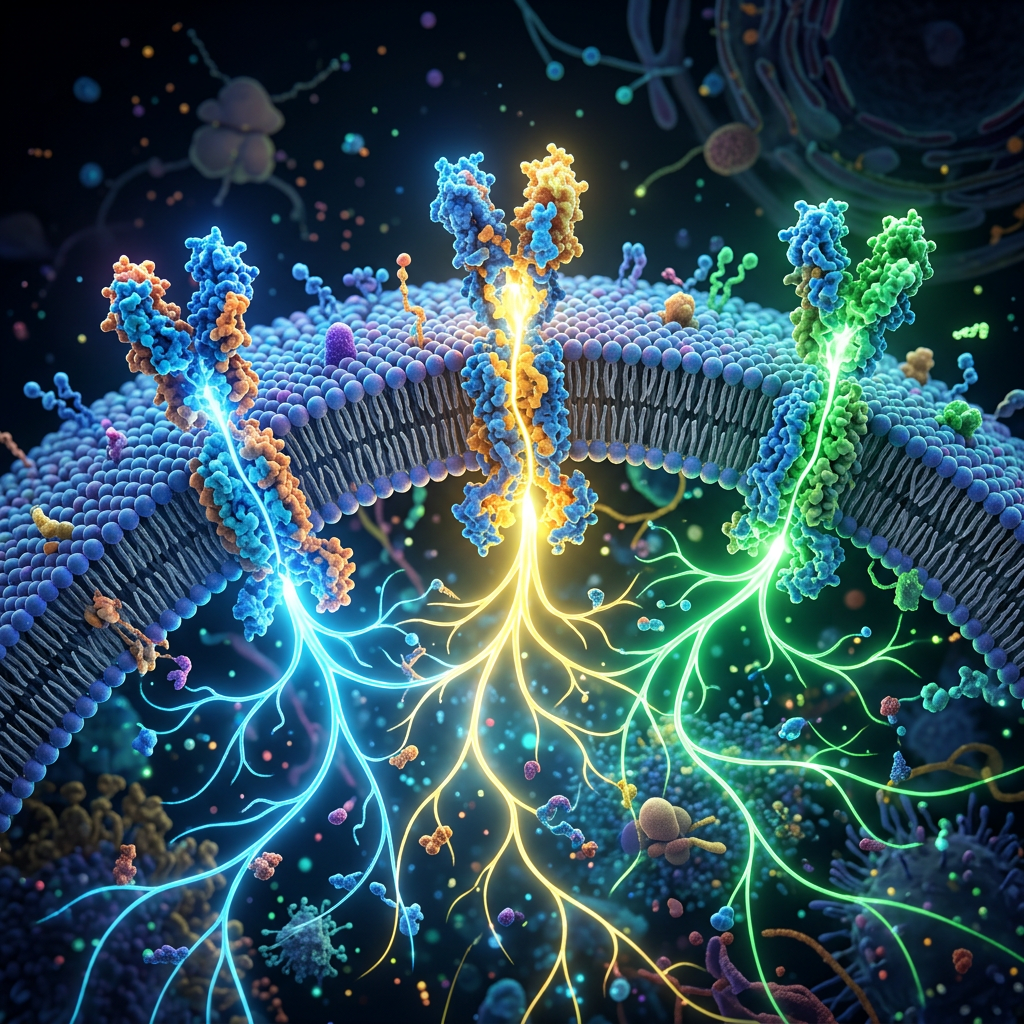
Retatrutide is a single synthetic peptide engineered to act as a simultaneous agonist at three distinct metabolic receptors: the glucagon-like peptide-1 receptor (GLP-1R), the glucose-dependent insulinotropic polypeptide receptor (GIPR), and the glucagon receptor (GCGR). This triple-receptor profile is what distinguishes it from every incretin compound studied before it.
Earlier compounds addressed one or two of these receptor pathways. Semaglutide operates exclusively through GLP-1R. Tirzepatide adds GIPR activation to GLP-1R engagement. Retatrutide takes the next step by incorporating GCGR agonism alongside both incretin receptors. Glucagon receptor activation introduces a distinct mechanism — it increases energy expenditure through thermogenic signalling in adipose and hepatic tissue — which operates independently of the appetite-regulating effects attributed to GLP-1R engagement.
Peer-reviewed structural research published in PubMed Central (2024) confirms that retatrutide is approximately 8.9 times more potent at GIPR relative to endogenous GIP, while maintaining calibrated activity at GLP-1R and GCGR. This potency balance across three axes is the structural property that makes retatrutide a unique tool for metabolic signalling research. Researchers comparing multi-receptor compounds side by side will find the Alluvi Retatrutide 40mg available through EvolvelabsUK for controlled UK-based studies.
How Does Retatrutide Work at the Molecular Level
Understanding how retatrutide works requires a clear picture of each receptor it engages and what downstream effects that engagement produces in research models.
GLP-1R Activation
At the GLP-1 receptor, retatrutide stimulates insulin secretion in a glucose-dependent manner, suppresses glucagon release from pancreatic alpha cells, and reduces gastric emptying rate. These are the same receptor-level effects observed with semaglutide, but they form only one component of retatrutide’s total signalling profile.
GIPR Activation
At the GIP receptor, retatrutide enhances the incretin effect — the amplification of insulin response triggered by nutrient ingestion. Preclinical research indicates that GIPR activation also modulates lipid metabolism in adipose tissue and contributes to weight reduction through mechanisms distinct from GLP-1R pathways. This is consistent with findings from tirzepatide studies, where dual GIP and GLP-1 receptor engagement produced superior metabolic outcomes compared to GLP-1R mono-agonism alone.
GCGR Activation
The glucagon receptor axis is what separates retatrutide from all dual-agonist predecessors. Glucagon receptor activation increases hepatic glucose output and raises basal metabolic rate through thermogenesis. In isolation, unchecked glucagon activity is undesirable in research models studying glycaemic regulation. In retatrutide, the GCGR activity is carefully balanced against GLP-1R and GIPR engagement so that thermogenic benefits are captured without producing net hyperglycaemia. Research published in Nature Medicine (2024) provides detailed data on this balance in phase 2 studies examining retatrutide’s effects in metabolic liver disease models.

What Retatrutide Does: Summary of Phase 2 Research Outcomes
Phase 2 research data on retatrutide has attracted significant attention from the global metabolic research community. The NEJM phase 2 obesity trial, published in 2023, reported a mean body weight reduction of 17.5% at 24 weeks and 24.2% at 48 weeks in participants receiving the 12mg dose — outcomes that exceeded those observed with tirzepatide at comparable study durations.
In a parallel phase 2 trial published in The Lancet, retatrutide demonstrated a 16.9% weight reduction in participants with type 2 diabetes over 36 weeks, with 82% of participants reaching an HbA1c at or below 6.5%. These figures position retatrutide as the research compound with the most extensive triple-axis metabolic effect currently under study.
For research institutions designing comparative incretin studies, this data creates a clear rationale for including retatrutide alongside tirzepatide as a comparator compound. Researchers working with both compounds will find the retatrutide research bundle at EvolvelabsUK provides a cost-efficient way to procure sufficient quantity for extended protocols. The tirzepatide 40mg pen is also listed in our shop for researchers building dual-compound study designs.
Retatrutide Formats: Understanding 20mg and 40mg Research Quantities
Research procurement for retatrutide involves choosing between formats based on study scale, protocol duration, and reconstitution requirements. The two primary quantities available through EvolvelabsUK are the 20mg and 40mg formats, each suited to different research workflows.
| Format | Typical Use Case | Reconstitution Volume (10mg/ml) | Approximate Doses at 1mg |
|---|---|---|---|
| Retatrutide 20mg | Pilot studies, small-cohort protocols | 2ml bacteriostatic water | 20 doses |
| Retatrutide 40mg | Extended protocols, dose-escalation studies | 4ml bacteriostatic water | 40 doses |
The retatrutide 20mg RD format is the standard entry point for researchers beginning exploratory work with this compound. For laboratories scaling to longer experimental timelines, the Alluvi Retatrutide 40mg provides a higher-quantity batch with full purity certification.
How to Take Retatrutide: Research Administration and Reconstitution
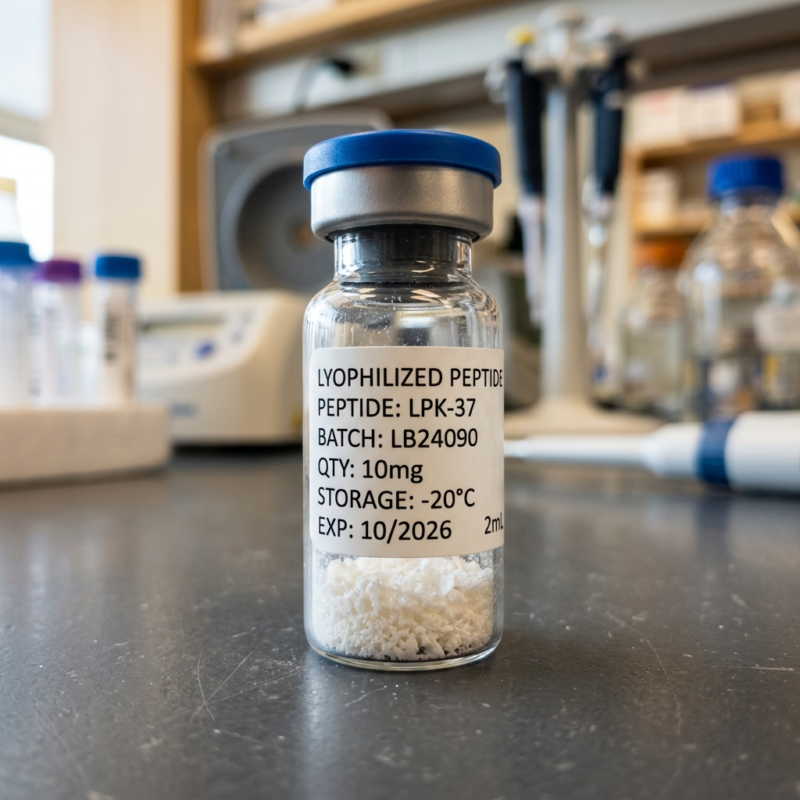
In research settings, retatrutide is administered via subcutaneous injection, consistent with the delivery route used across all published phase 2 clinical protocols. The compound is supplied as a lyophilized powder that researchers reconstitute prior to each experimental session.
Reconstitution follows standard peptide preparation practice. Add bacteriostatic water slowly along the inner vial wall, then swirl gently — never shake — until the powder fully dissolves. A 20mg vial reconstituted with 2ml of bacteriostatic water yields a working concentration of 10mg/ml. This concentration supports a broad range of dose-escalation designs without requiring large injection volumes at lower dose levels.
Where to inject retatrutide in research models follows subcutaneous injection protocols standard to the incretin compound class. Injection sites in preclinical and clinical research have included the abdomen, thigh, and upper arm. Site rotation minimises local tissue effects and supports consistent absorption across experimental time points. Researchers should consult the PubMed Central triple agonist review (2025) for published dose-escalation schedules used in phase 2 research designs.

Who Makes Retatrutide and What Researchers Should Know About Sourcing
The compound designated LY3437943 in clinical literature was developed by Eli Lilly and Company as part of their next-generation incretin programme. As of mid-2025, retatrutide remains in Phase 3 clinical development for obesity, type 2 diabetes, and metabolic liver disease. Eli Lilly has not received regulatory approval for commercial retatrutide products in the UK or EU.
Research-grade retatrutide for laboratory use is manufactured by specialist peptide synthesis companies and made available through licensed research supply channels. When sourcing research-grade retatrutide in the UK, the three non-negotiable criteria are: verified purity at 98% or above, an independently issued certificate of analysis (COA), and a supplier that operates transparently within UK regulatory boundaries for research compound supply.
EvolvelabsUK is a UK-based research peptide supplier holding research-grade retatrutide to these standards. Learn about our sourcing philosophy and quality commitments on our About EvolvelabsUK page. Researchers interested in combining retatrutide with adjacent recovery and cellular signalling compounds will also find options such as GHK-Cu 70mg and NAD+ injections in our research catalogue.

Where to Buy Retatrutide in the UK: What to Look For
Sourcing retatrutide in the UK requires the same level of diligence applied to any controlled research compound. The supplier’s quality assurance process, documentation standards, and UK logistics capability all affect research outcomes in ways that pricing alone does not reflect.
When evaluating a supplier, researchers should request the COA before purchase — not after. The COA should specify the batch number, synthesis date, purity percentage from HPLC analysis, and endotoxin test results. Suppliers who cannot provide documentation to this level introduce variables that undermine experimental integrity from the point of procurement.
EvolvelabsUK maintains a research-focused inventory available for UK delivery, with product listings updated to reflect current stock and specification. Browse the EvolvelabsUK research peptide shop to see available retatrutide formats and related compounds. For researchers considering bundled procurement across multiple protocol phases, the retatrutide bundle offers structured multi-unit access at a single procurement point.
Retatrutide in Context: The Future of Triple-Receptor Incretin Research
Retatrutide is currently the most advanced triple-receptor incretin compound with published Phase 2 data. Its development follows a clear trajectory in incretin research: each generation of compounds has added receptor complexity to achieve broader metabolic effects across more signalling pathways simultaneously.
Phase 3 trials for retatrutide are now underway across obesity, type 2 diabetes, and non-alcoholic fatty liver disease (NAFLD) indications. The scientific community will watch these outcomes closely, as retatrutide’s triple-axis mechanism makes it a reference point for all future multi-receptor incretin compound development.
For research institutions building forward-looking metabolic study programmes, retatrutide belongs in any comparative framework alongside tirzepatide and semaglutide. ScienceDirect’s 2024 review of triple agonism therapies provides an accessible synthesis of current evidence that researchers at any stage of protocol design will find useful. Start building your research compound inventory at the EvolvelabsUK shop, and review our full supplier background at the About page.
Research Use Only: All products referenced on EvolvelabsUK are supplied strictly for laboratory and scientific research purposes. They are not intended for human consumption, clinical use, or veterinary application. This content is produced for qualified researchers and procurement professionals. All use of research peptides must comply with applicable UK regulations.
7 thoughts on “What Is Retatrutide? The Triple-Receptor Research Peptide Explained for UK Scientists”
Comments are closed.
This website was… how do I say it? Relevant!! Finally I’ve found something
that helped me. Cheers!
I have read so many content on the topic of the blogger lovers but this article is really a good
piece of writing, keep it up.
Your method of telling everything in this paragraph is in fact fastidious, all be able to effortlessly be aware of it, Thanks a lot.
Appreciate the recommendation. Will try it out.
Normally I don’t read post on blogs, but I wish to say that this write-up very pressured me to try
and do so! Your writing style has been surprised me.
Thank you, quite great article.
Hello! I’m at work surfing around your blog from my new iphone 3gs!
Just wanted to say I love reading your blog and look forward to
all your posts! Carry on the fantastic work!
This is my first time go to see at here and i am really impressed to
read all at alone place.