
Peptide Storage UK: The Complete Laboratory Guide to Maintaining Compound Integrity


Why Storage Conditions Determine Experimental Validity on peptide storage UK
Synthetic research peptides are structurally fragile molecules. Their biological activity depends on maintaining the precise three-dimensional conformation of their amino acid chain, along with the integrity of any chemical modifications — such as the C20 fatty acid moiety on retatrutide and tirzepatide, or the copper chelation complex in GHK-Cu — that are part of their functional design. Heat, moisture, light, oxygen exposure, and mechanical stress all attack these structures through distinct degradation pathways.
Thermal degradation accelerates peptide bond hydrolysis, breaking the amino acid chain at vulnerable points and producing truncated fragments that are not the compound you ordered and not the compound your study was designed around. Oxidative degradation attacks methionine, cysteine, and tryptophan residues, altering the peptide’s receptor binding properties. Aggregation — the clumping of peptide molecules driven by improper temperature cycling or mechanical agitation — reduces effective concentration and introduces particulate matter into what should be a clear homogeneous solution.
All of these degradation events produce the same outcome at the experimental level: a compound that does not behave the way the published literature says it should, because it is no longer the compound described in that literature. The study fails to reproduce expected results, and the most common assumption — that the hypothesis was wrong — may actually be a storage failure in disguise. Getting storage right prevents that outcome entirely.
Cold-Chain Delivery in the UK: What to Expect and What to Check
The storage chain for a research peptide begins not at your laboratory refrigerator but at the supplier’s dispatch facility. Understanding what good UK cold-chain delivery looks like — and knowing how to evaluate a shipment on arrival — is the first practical skill every laboratory researcher handling peptide compounds needs.
What Proper Cold-Chain Packaging Includes
Research-grade peptides shipped within the UK should arrive in insulated packaging containing either gel ice packs or dry ice, depending on the compound format and transit time. Gel ice packs maintain temperatures in the 2-8°C range suitable for short-transit shipping of refrigerated compounds. Dry ice maintains temperatures below -20°C, which is required for lyophilised peptide vials shipped over longer distances or during warm weather periods.
EvolvelabsUK ships all temperature-sensitive research compounds — including retatrutide, tirzepatide, BPC-157, TB-500, GHK-Cu, and NAD+ — with cold-pack packaging calibrated to the transit time and format of each product. The batch-specific certificate of analysis (COA) for every order is included with the shipment, providing the documentation baseline against which received compound quality can be verified before the vials are transferred to laboratory storage.
What to Check When a Peptide Shipment Arrives
On receipt of any peptide shipment, run through five checks before transferring anything to laboratory storage. First, inspect the outer packaging for signs of damage or temperature compromise — crushed insulation, fully melted ice packs at room temperature, or evidence of moisture entry are all signals that the cold chain was broken during transit. Second, check the vial labelling against the COA batch number.
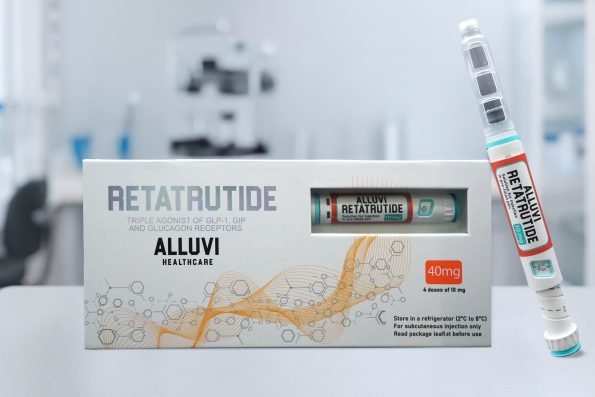
Third, inspect the lyophilised powder visually — it should appear as a dry, cohesive white or off-white powder, not a wet cake or a loose amorphous solid suggesting partial dissolution from temperature excursion. Fourth, for any pre-filled pen format (such as the Alluvi Retatrutide 40mg pen), inspect the solution for clarity and absence of visible particulates. Fifth, log the receipt date, condition on arrival, and storage transfer time in your laboratory compound inventory record.
If a shipment arrives with clear evidence of cold-chain compromise — fully melted packs, warm packaging, or visible vial damage — contact the supplier immediately before opening any vials. Do not attempt to re-freeze compromised material and use it. EvolvelabsUK’s support team handles receipt queries for all orders placed through the EvolvelabsUK shop.
[Image: cold-chain peptide delivery UK insulated packaging gel ice pack laboratory receipt inspection]
Staff picks
Lyophilised Peptide Storage: Temperatures, Conditions, and Shelf Life
Lyophilised (freeze-dried) peptides are the most stable format for long-term storage. The freeze-drying process removes water from the peptide solution under vacuum, leaving a dry powder in which the degradation reactions driven by aqueous chemistry — hydrolysis, oxidation, enzymatic activity — are substantially slowed. Under correct storage conditions, lyophilised peptides maintain research-grade integrity for 12-24 months depending on the compound, and in some cases longer.
Primary Storage: -20°C Freezer
The standard storage temperature for lyophilised research peptides is -20°C. At this temperature, residual water activity in the powder is minimal, thermal degradation is negligible, and oxidative processes are slowed to a rate that preserves compound integrity across extended storage periods. A dedicated laboratory chest freezer with a stable, verified temperature is the correct storage environment. Frost-free (auto-defrost) freezers cycle through warming phases that can expose peptide vials to brief temperature excursions — if a frost-free freezer is the only option available, store peptides in a sealed, insulated secondary container within the freezer to buffer against these cycles.
Long-Term Archive Storage: -80°C
For peptides that will not be reconstituted for several months, or for reference standard samples that need to be preserved indefinitely for batch comparison purposes, -80°C ultra-low temperature (ULT) storage is the gold standard. At -80°C, all degradation processes are effectively suspended for the storage duration. For UK laboratories with access to ULT freezer capacity, storing master stocks of valuable compounds such as retatrutide and tirzepatide at -80°C with working aliquots at -20°C is the most rigorous approach to long-term compound inventory management.
Critical Conditions That Must Be Maintained
Three conditions must be maintained consistently throughout lyophilised peptide storage. First, protection from moisture — lyophilised powders are hygroscopic and absorb atmospheric water readily if vial seals are compromised or if vials are opened in humid conditions. Always allow a -20°C vial to equilibrate to room temperature in a sealed container before opening, to prevent condensation forming on the cold vial surface and entering the powder.
Second, protection from light — UV exposure oxidises aromatic amino acid residues (phenylalanine, tyrosine, tryptophan) and degrades some peptide modifications. Store vials in their original containers or in amber-tinted boxes within the freezer. Third, maintenance of seal integrity — never use a lyophilised vial that shows signs of stopper displacement, cracking, or previous penetration without discarding and replacing it.
Compound | Recommended Storage Temp | Protect From | Expected Shelf Life (Lyophilised)
BPC-157 | -20°C | Light, moisture | 24 months
TB-500 | -20°C | Light, moisture | 24 months
GHK-Cu (Glow Stack) | -20°C | Light, moisture, oxidation | 18–24 months
Retatrutide | -20°C (working), -80°C (archive) | Light, moisture, heat | 12–24 months
Tirzepatide | -20°C (working), -80°C (archive) | Light, moisture, heat | 12–24 months
NAD+ (lyophilised) | -20°C, desiccated | Light, moisture, oxygen | 12–18 months
[Image: lyophilised peptide storage UK -20C freezer temperature conditions shelf life laboratory]
Reconstituted Peptide Storage: A Shorter Window With Stricter Rules
Once a lyophilised peptide is reconstituted in bacteriostatic water (BW), the storage rules change fundamentally. The dissolved compound is now subject to all the degradation processes that lyophilisation was suppressing — hydrolysis, oxidation, microbial activity — and the clock is running from the moment reconstitution is complete.
Refrigeration at 2-8°C
Reconstituted research peptides must be stored refrigerated at 2-8°C immediately after preparation. This temperature range slows hydrolytic and oxidative degradation significantly without freezing the solution. A dedicated laboratory refrigerator with a calibrated, stable temperature is the correct storage environment. Domestic-style refrigerators with variable temperatures — particularly those with warm spots near the door — are not suitable for research-grade peptide solution storage.
Working Life: 28-30 Days with Bacteriostatic Water
Reconstituted peptide solutions prepared with bacteriostatic water (BW containing 0.9% benzyl alcohol) maintain research-grade integrity for 28-30 days at 2-8°C. The benzyl alcohol in BW inhibits microbial growth that would otherwise degrade the peptide solution within days. Plain sterile water — without the benzyl alcohol preservative — reduces working life to 24-72 hours, making BW the only practical reconstitution solvent for research peptides that will not be used in a single experimental session.
Label every reconstituted vial with the preparation date and the calculated expiry date (preparation date plus 28 days). Never use a reconstituted peptide solution beyond its 28-day window, regardless of visual appearance. Degradation at the molecular level is invisible — a clear solution beyond its working life does not signal intact compound.
Never Freeze a Reconstituted Peptide Solution
This is among the most critical rules in peptide handling and among the most commonly violated in research settings where laboratory teams confuse lyophilised storage protocol with reconstituted storage protocol. Freezing a reconstituted peptide solution causes ice crystal formation that physically disrupts peptide structure, drives aggregation, and creates concentration gradients within the solution as different molecular species freeze and thaw at different rates. A frozen-and-thawed reconstituted peptide solution is not a reliable research tool.
If a reconstituted solution cannot be used within 28 days, the correct approach is to discard it and reconstitute a fresh aliquot from the lyophilised master stock. The retatrutide research bundle and standalone vial formats from EvolvelabsUK support staged reconstitution across extended study timelines precisely because lyophilised master stocks remain stable at -20°C between reconstitution events.
Parameter | Lyophilised (Pre-reconstitution) | Reconstituted in Bacteriostatic Water
Storage temperature | -20°C (-80°C for archive) | 2-8°C refrigerated
Working life | 12-24 months | 28-30 days
Freeze permitted | Yes — preferred | No — never
Light protection needed | Yes | Yes
Moisture protection needed | Critical | Maintain vial seal integrity
Labelling requirement | Batch number, compound, date received | Reconstitution date, expiry date, concentration
[Image: reconstituted peptide storage 2-8C refrigerator UK laboratory research 28-day window handling]
Freeze-Thaw Cycling: The Hidden Cause of Peptide Degradation in UK Labs
Freeze-thaw cycling — repeatedly removing a vial from -20°C storage, allowing it to warm, and returning it without reconstituting all the contents — is one of the most common and damaging handling errors in research peptide management. Each freeze-thaw cycle subjects the lyophilised powder to mechanical stress as residual moisture expands on freezing and contracts on thawing. Over multiple cycles, this stress fractures the powder matrix, accelerates residual moisture migration within the vial, and increases the surface area of exposed peptide — all of which accelerate degradation.
The practical solution is straightforward: aliquot. When a lyophilised peptide vial contains more compound than a single reconstitution event will use, divide the powder into smaller working aliquots before the first reconstitution. Each aliquot is then reconstituted independently when needed, and the remaining sealed aliquots stay at -20°C undisturbed. This approach eliminates freeze-thaw cycling entirely and extends the effective working life of the total compound batch.
For compounds supplied in pen format — such as the Alluvi Retatrutide 40mg pen — aliquoting is not applicable as the solution is pre-filled and sealed. Instead, once a pen is in active use, it should be stored at 2-8°C between research sessions and never returned to -20°C. Pens that have not yet been opened should be stored according to the supplier’s pre-use guidance — EvolvelabsUK includes handling instructions and COA documentation with every pen format order.
UK-Specific Storage Considerations: Seasonal Temperature and Laboratory Environment
UK laboratory environments present specific seasonal challenges that researchers in warmer climates do not face in the same way, but that UK scientists sometimes underestimate. Summer temperature spikes in non-air-conditioned UK laboratory spaces — particularly in older university and research institute buildings — can push ambient temperatures above 25°C. At these temperatures, a reconstituted peptide vial left on a bench during a preparation session degrades measurably faster than the same vial in a controlled 18-20°C environment.
UK laboratories without consistent air conditioning should implement seasonal bench handling protocols: minimise time any peptide vial spends out of refrigeration during preparation, work in the cooler parts of the day where possible, and return vials to cold storage immediately after drawing each working dose. A simple insulated carrying case with a small gel pack allows safe bench transport of active vials between the laboratory refrigerator and the preparation area without temperature excursion during the handling interval.
Humidity is a secondary consideration in UK laboratory environments, particularly in older buildings without active climate control. High ambient humidity increases the rate at which lyophilised vials absorb atmospheric moisture if their seals are anything less than perfect. Inspect rubber stoppers on all lyophilised vials on receipt and at each use. Any stopper that shows signs of drying, cracking, or displacement should prompt immediate consultation with the supplier. EvolvelabsUK’s batch COA documentation provides the baseline specification against which any compound integrity concern can be evaluated from point of delivery. Review our sourcing and documentation standards on the About EvolvelabsUK page.
Storage Protocols for Specific EvolvelabsUK Compounds
BPC-157 and TB-500
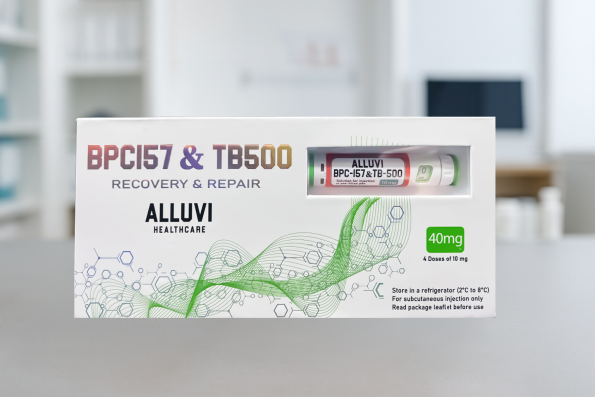
Both are water-soluble and relatively stable among research peptides. Store lyophilised stock at -20°C. Reconstitute in bacteriostatic water and refrigerate at 2-8°C. Use within 28 days of reconstitution. Available individually and as part of the Glow 70mg triple stack.
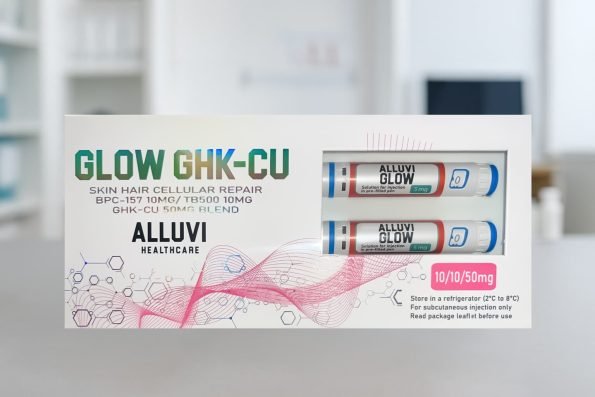
The copper chelation complex in GHK-Cu makes it sensitive to oxidation and to pH extremes. Store lyophilised at -20°C in the original sealed vial. Protect from light at all stages. Reconstitute in bacteriostatic water and store reconstituted solution at 2-8°C, protected from light. Use within 28 days.
Both carry fatty acid modifications that increase sensitivity to thermal stress compared to unmodified peptides. Lyophilised stock should be stored at -20°C with -80°C archive storage recommended for master stocks held beyond six months. Allow vials to equilibrate to room temperature in a sealed container before opening to prevent condensation entry. Reconstituted solutions in bacteriostatic water are stable at 2-8°C for 28 days. Never freeze reconstituted solutions.
NAD+ Injections
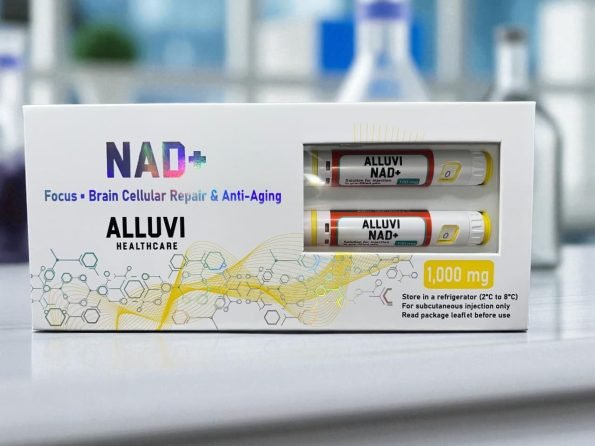
Research-grade NAD+ injections are highly sensitive to oxidation and light exposure. Store lyophilised NAD+ with a desiccant at -20°C, protected from light, in an airtight container. Reconstituted NAD+ solutions have a shorter working window than most peptides — use within 24-48 hours of preparation for injectable-grade research applications to ensure concentration accuracy and absence of oxidative degradation products.
Building a Peptide Storage Log: What UK Research Teams Should Record
A structured compound storage log is not bureaucratic overhead — it is a data quality instrument. When experimental results are unexpected, the storage log is the first place a rigorous researcher looks for explanations. It also supports Good Laboratory Practice (GLP) compliance requirements that many UK research institutions apply to controlled compound handling.
A minimal storage log for each research peptide should record: compound name and batch number (from the COA), date of receipt, storage location and confirmed temperature on receipt, date of each reconstitution event, reconstitution volume used (and therefore working concentration), expiry date of each reconstituted vial, and date of disposal. For EvolvelabsUK orders, the batch-specific COA provides the opening data entry for every new compound batch — batch number, purity, molecular identity confirmation, and endotoxin result — creating a complete chain of custody from supplier dispatch to laboratory use. Access all available compound formats and documentation at the EvolvelabsUK shop.
Published guidance on peptide formulation stability and storage best practice is available through PubMed Central’s peptide stability review and through the Frontiers in Pharmacology open-access journal, both of which provide peer-reviewed reference material for UK laboratory teams developing or auditing their peptide storage protocols. The UK Health and Safety Executive (HSE) laboratory chemical storage guidance provides the regulatory framework within which UK research compound handling protocols must operate.
RESEARCH USE ONLY DISCLAIMER
All products referenced on EvolvelabsUK are supplied strictly for
laboratory and scientific research purposes. Not for human consumption,
clinical use, or veterinary application. Always comply with applicable
UK Health and Safety Executive regulations and your institution’s