

Peptide Reconstitution Calculator

How to Reconstitute Research Peptides: A Step-by-Step Guide for UK Laboratories
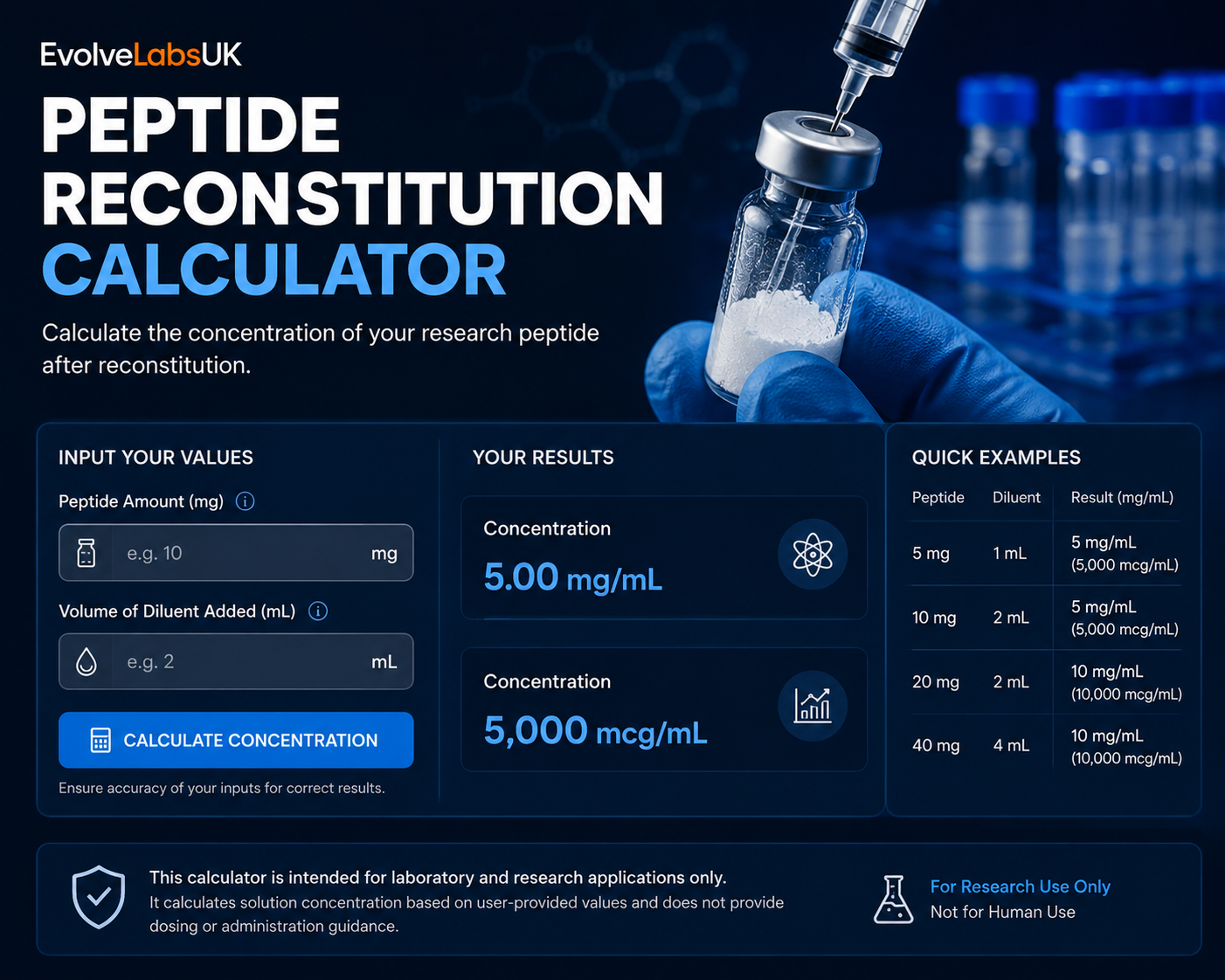
Peptide Reconstitution Calculator
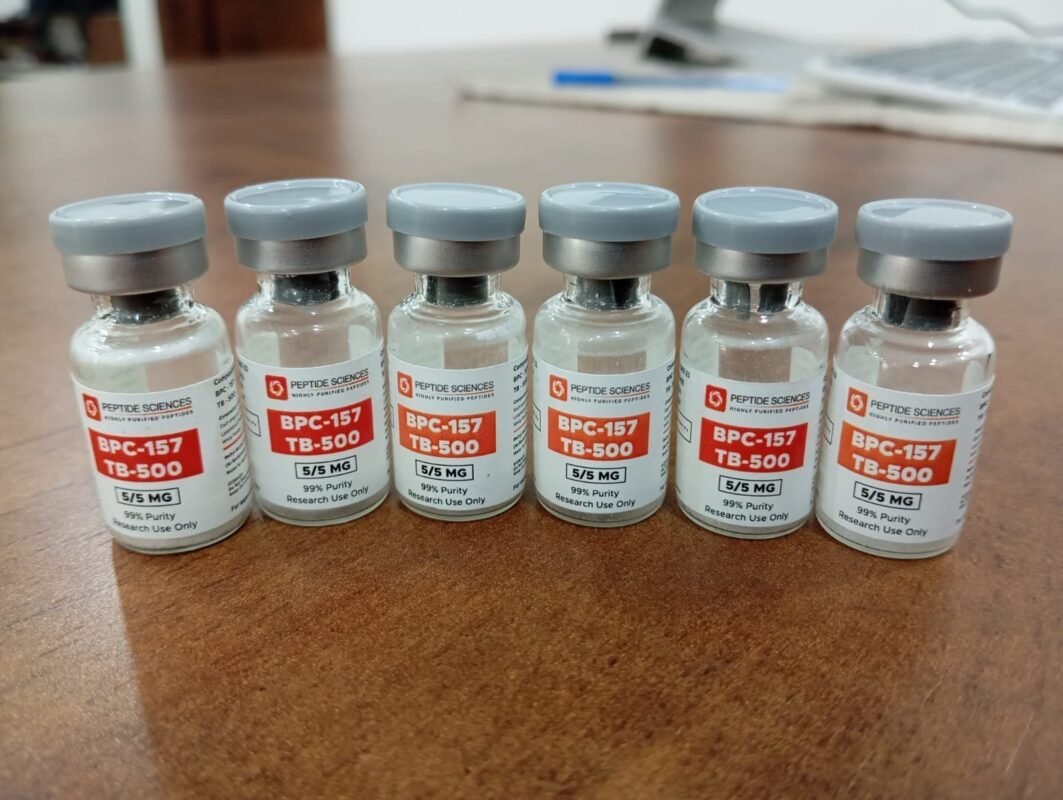
Learning how to reconstitute research peptides correctly is not optional for serious laboratory work — it is a prerequisite for generating reliable data. Lyophilized peptides arrive as fragile powder preparations, and every decision made during reconstitution affects the compound’s integrity, concentration accuracy, and working life. This guide is written for UK-based researchers handling peptides across the Alluvi Healthcare and EvolvelabsUK compound range, including BPC-157, TB-500, GHK-Cu, retatrutide, tirzepatide, and NAD+. Explore all available research compounds at the EvolvelabsUK homepage before beginning your procurement and preparation planning Peptide Reconstitution Calculator.
Why Peptide Reconstitution Calculator Quality Determines Experimental Quality
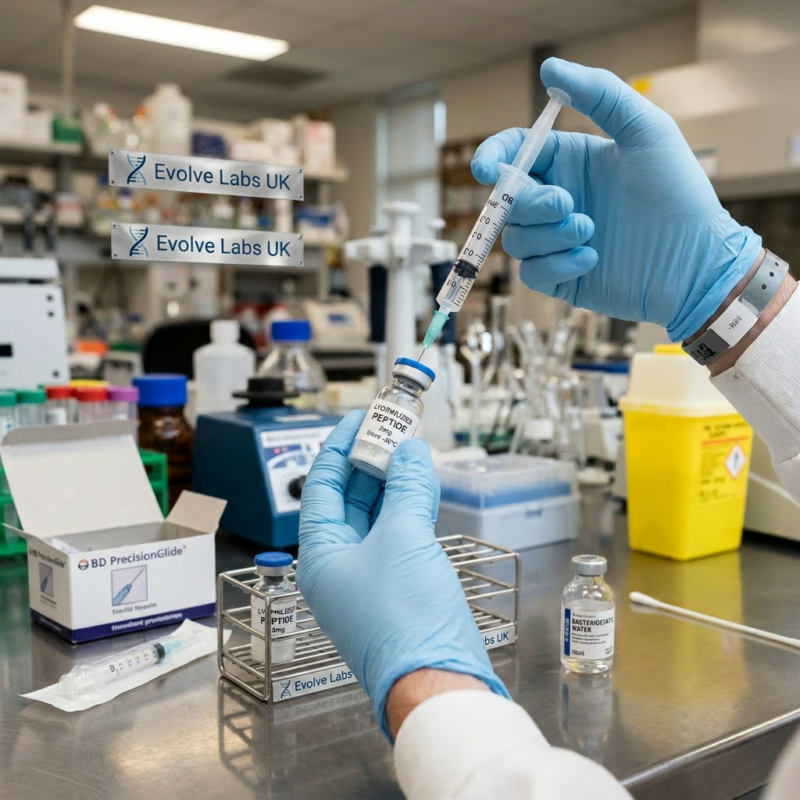
Lyophilized peptides are freeze-dried powders. The freeze-drying process removes water while preserving the peptide’s molecular structure and extending shelf life at cold storage temperatures. Reconstitution reverses this process — introducing a solvent that dissolves the powder and restores the compound to a working liquid solution suitable for research administration.
The concentration of the reconstituted solution determines every dose volume drawn for research use. An error in reconstitution volume — adding 1ml instead of 2ml, for example — doubles the effective concentration and halves the dose volume for every administration that follows. In a study relying on precise dose-response relationships, this single error invalidates all subsequent data points. Getting reconstitution right, every time, protects the integrity of months of experimental work.
Choosing the Right Peptide Reconstitution Calculator Solvent
The most common and universally appropriate solvent for research peptide reconstitution is bacteriostatic water (BW) — sterile water containing 0.9% benzyl alcohol as a preservative. The benzyl alcohol inhibits microbial growth in the reconstituted solution, extending working life from a few days (achievable with plain sterile water) to approximately 28-30 days at refrigerated temperatures.
When to Use Bacteriostatic Water
BW is suitable for the vast majority of research peptides including BPC-157, TB-500, GHK-Cu (Glow Stack), retatrutide, tirzepatide, and NAD+. All of these compounds are water-soluble and dissolve readily in BW without requiring pH adjustment or co-solvents.
When to Use Acetic Acid Solution
Some growth hormone-releasing hormones and growth hormone secretagogues require dilute acetic acid (0.1% or 1%) as the primary reconstitution solvent because they are insoluble or poorly soluble in neutral water. None of the Alluvi Healthcare compounds available through EvolvelabsUK require acetic acid. If you are sourcing peptides beyond the EvolvelabsUK range, always check the product’s COA and supplier guidance for solvent requirements before preparation.
Materials Required for Research Peptide Reconstitution Calculator
Assemble all materials before opening the peptide vial. You will need:
| Item | Specification | Purpose |
|---|---|---|
| Bacteriostatic water | Sterile, 0.9% benzyl alcohol | Reconstitution solvent |
| Insulin syringe | 25-29G needle, 0.5ml or 1ml barrel | BW delivery and dose withdrawal |
| Alcohol prep swabs | 70% isopropyl alcohol | Vial stopper sterilisation |
| Clean surface or laminar flow hood | Sterile work area | Contamination prevention |
| Permanent marker or label | Waterproof | Reconstitution date recording |
| Refrigerator | 2-8°C with stable temperature | Post-reconstitution storage |
Step-by-Step Reconstitution Protocol
Step 1: Prepare the Work Area
Wipe the work surface with 70% isopropyl alcohol and allow it to dry completely. If a laminar flow hood is available, use it. Wash hands thoroughly and wear nitrile gloves throughout the preparation process.
Step 2: Calculate Your Target Concentration
Decide the working concentration you need before opening anything. Use the formula: Concentration (mg/ml) = Peptide quantity (mg) / Solvent volume (ml). For a 5mg BPC-157 vial reconstituted with 2ml BW, the working concentration is 2.5mg/ml. Write down your target concentration before you begin so you draw exactly the right BW volume.
Step 3: Sterilise the Vial Stoppers
Wipe the rubber stopper of both the BW vial and the peptide vial with a fresh alcohol swab. Allow 30 seconds for the alcohol to evaporate before inserting any needle. Residual alcohol on the stopper surface compromises peptide integrity if it enters the vial solution.
Step 4: Draw the Bacteriostatic Water
Insert the syringe needle into the BW vial at a 45-degree angle and withdraw the precise volume of BW needed to achieve your target concentration. Check the syringe barrel for air bubbles and gently tap and expel any that appear before proceeding.
Step 5: Add BW to the Peptide Vial
This is the most critical step. Insert the needle through the peptide vial stopper at a shallow angle and direct the BW slowly down the inner wall of the vial — not directly onto the lyophilized powder. Letting the liquid trickle down the glass wall and pool underneath the powder allows it to dissolve the compound gradually without mechanical disruption.
Step 6: Dissolve the Peptide
Once all the BW is in the vial, swirl it gently between your fingers in a slow circular motion. Never shake a peptide vial. Shaking introduces air bubbles and mechanical shear forces that break peptide bonds and degrade the compound. Continue swirling until the powder is completely dissolved and the solution is clear. Some peptides take longer than others — allow up to two minutes before concluding that dissolution is complete.
Step 7: Label and Store
Write the reconstitution date on the vial immediately. Store at 2-8°C. Reconstituted solutions prepared with bacteriostatic water are stable for 28-30 days under refrigeration.
Concentration Reference Chart for EvolvelabsUK Compounds on Peptide Reconstitution Calculator
| Compound | Vial Size | BW for 5mg/ml | BW for 10mg/ml | Notes |
|---|---|---|---|---|
| BPC-157 | 5mg | 1ml | 0.5ml | Fully water-soluble in BW |
| TB-500 | 5mg | 1ml | 0.5ml | Fully water-soluble in BW |
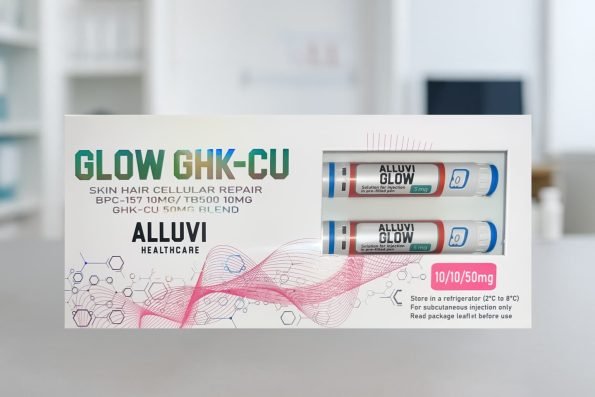
| Glow Stack | 70mg | 14ml | 7ml | All 3 components co-dissolve in BW |
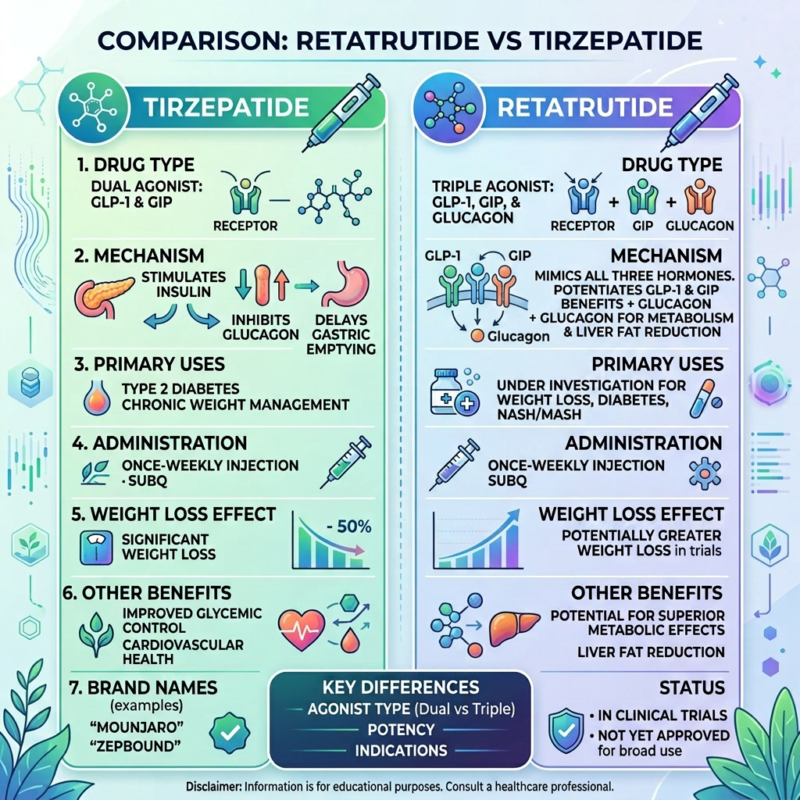
| Retatrutide | 20mg | 4ml | 2ml | Swirl gently; fatty acid moiety — allow extra time |
| Tirzepatide | 20mg | 4ml | 2ml | Fatty di-acid structure — do not shake |
| NAD+ | Varies | Per COA guidance | Per COA guidance | Use within 24-48 hrs for injectable grade |
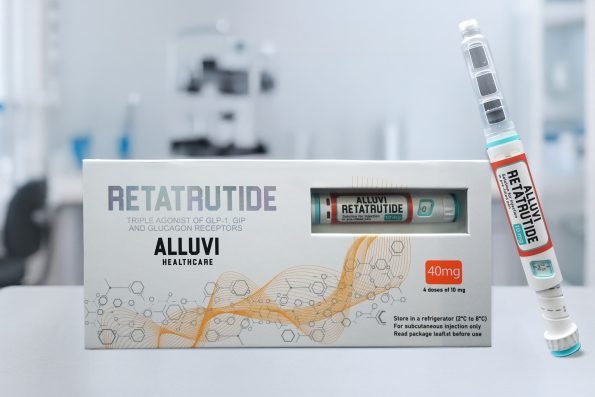
The compounds above are available through EvolvelabsUK across multiple formats and quantities. Access the full inventory through the EvolvelabsUK shop, including the Glow 70mg stack, Alluvi Retatrutide 40mg, tirzepatide 40mg pen, and NAD+ injections.
Common Peptide Reconstitution Calculator Mistakes and How to Avoid Them
The most frequent reconstitution errors in research settings are: adding BW directly onto the powder (causes foaming and degradation), shaking the vial after adding solvent (breaks peptide bonds), failing to record the reconstitution date (leads to use beyond the stability window), using plain sterile water instead of bacteriostatic water (reduces working life to 24-72 hours), and miscalculating the BW volume (produces incorrect concentration and invalidates all subsequent dose volumes).https://evolvelabsuk.co.uk/2026/08/01/peptide-storage-uk/
Published guidance on peptide handling and stability is available through Frontiers in Pharmacology, where open-access articles on peptide formulation and stability provide laboratory-level detail relevant to standard research peptide preparation. Peptide Reconstitution Calculator.
Storage and Handling After Reconstitution
All reconstituted research peptides from the EvolvelabsUK and Alluvi Healthcare range should be refrigerated at 2-8°C immediately after preparation. Do not freeze reconstituted solutions — ice crystal formation at freezing temperatures damages dissolved peptide structures and creates concentration gradients in the solution that compromise dose accuracy. Keep reconstituted vials away from direct light. Use within 28 days of reconstitution for BW-prepared solutions.
For laboratories managing multiple compound inventories simultaneously, the retatrutide bundle and retatrutide 20mg RD can be stored lyophilized at -20°C until needed, allowing staged reconstitution that maximises compound working life. Review EvolvelabsUK’s sourcing and documentation standards on our About page. Further peer-reviewed guidance on peptide stability in reconstituted solutions is available through PubMed Central’s peptide formulation review.
Peptide Reconstitution Calculator


One thought on “Peptide Reconstitution Calculator”