
GHK-Cu Peptide: What Researchers Need to Know About the Glow 70mg Formula

GHK-Cu Peptide: What Researchers Need to Know About the Glow 70mg Formula
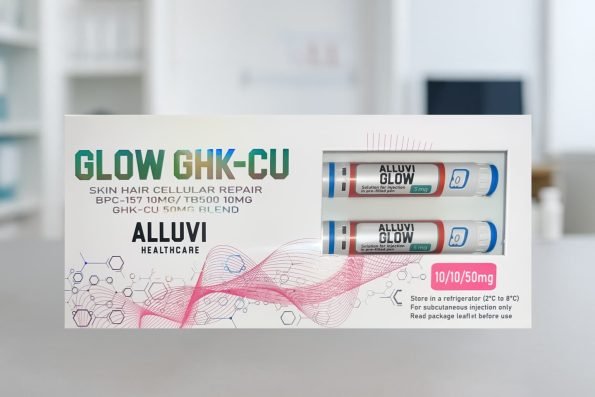
The GHK-Cu peptide has attracted research attention across multiple disciplines for decades. Its naturally occurring form — a tripeptide complex of glycine, histidine, and lysine bound to a copper ion — appears in human plasma, saliva, and urine, with plasma concentrations declining measurably with age. For laboratory scientists studying skin regeneration, extracellular matrix remodelling, and gene expression regulation, GHK-Cu offers a research model of unusual breadth. When combined with BPC-157 and TB-500 in the Alluvi Glow 70mg stack, it becomes part of a triple-action regenerative protocol that researchers across the UK are actively exploring. Visit the EvolvelabsUK homepage to view the full research peptide range.

What Is GHK-Cu and Why Does It Attract Research Interest
GHK-Cu (glycyl-L-histidyl-L-lysine copper complex) was first isolated in 1973 from human plasma. Since that initial identification, researchers have documented an extensive list of biological activities in controlled experimental settings. These include stimulation of collagen and glycosaminoglycan synthesis, activation of metalloproteinases and their inhibitors for coordinated tissue remodelling, modulation of anti-inflammatory gene expression, and promotion of angiogenesis in wound models.
What separates GHK-Cu from other copper-binding peptides in research contexts is its effect on gene expression. Studies have identified GHK-Cu as a modulator of over 4,000 human genes in controlled in-vitro settings, with the majority of affected genes associated with tissue regeneration and anti-inflammatory activity. Published data in PubMed Central provides detailed gene expression pathway analysis that researchers cite frequently when designing GHK-Cu experimental frameworks.
The age-related decline in natural GHK-Cu plasma concentrations — from approximately 200ng/ml in young adults to under 80ng/ml in older subjects — gives researchers a physiological baseline against which experimental outcomes in supplemented models can be measured. This makes GHK-Cu one of the few research peptides with a clearly defined endogenous reference point for comparative study designs.
GHK- Cu Mechanism: Three Research Pathways Worth Understanding
Collagen and Extracellular Matrix Regulation
In dermal fibroblast models, GHK-Cu stimulates production of collagen types I and III, as well as fibronectin and decorin — structural proteins that form the scaffolding of connective tissue. At the same time, it activates matrix metalloproteinases (MMPs) that clear damaged collagen, while concurrently upregulating TIMP (tissue inhibitors of metalloproteinases) to prevent excessive degradation. This dual activation-inhibition balance makes GHK-Cu a useful tool for studying coordinated matrix remodelling.
Anti-Inflammatory Gene Modulation
GHK- Cu downregulates pro-inflammatory genes including those encoding TNF-a, interleukin-1b, and interleukin-6. In parallel, it upregulates superoxide dismutase — an endogenous antioxidant enzyme — creating an experimental model of combined anti-inflammatory and antioxidant activity in a single compound. These properties make it complementary to BPC-157 and TB-500 in multi-compound regenerative research designs.
Angiogenesis and Wound Healing
GHK-Cu promotes vascular endothelial growth factor (VEGF) expression in wound models, stimulating new blood vessel formation that accelerates tissue perfusion and nutrient delivery to repair sites. This mechanism overlaps with — but is mechanistically distinct from — the angiogenic activity attributed to BPC-157, making the combination of the two compounds in a single research protocol a logical design choice for comprehensive healing studies.
The Glow 70mg Formula: What Each Component Contributes ghk-cu peptide benefits
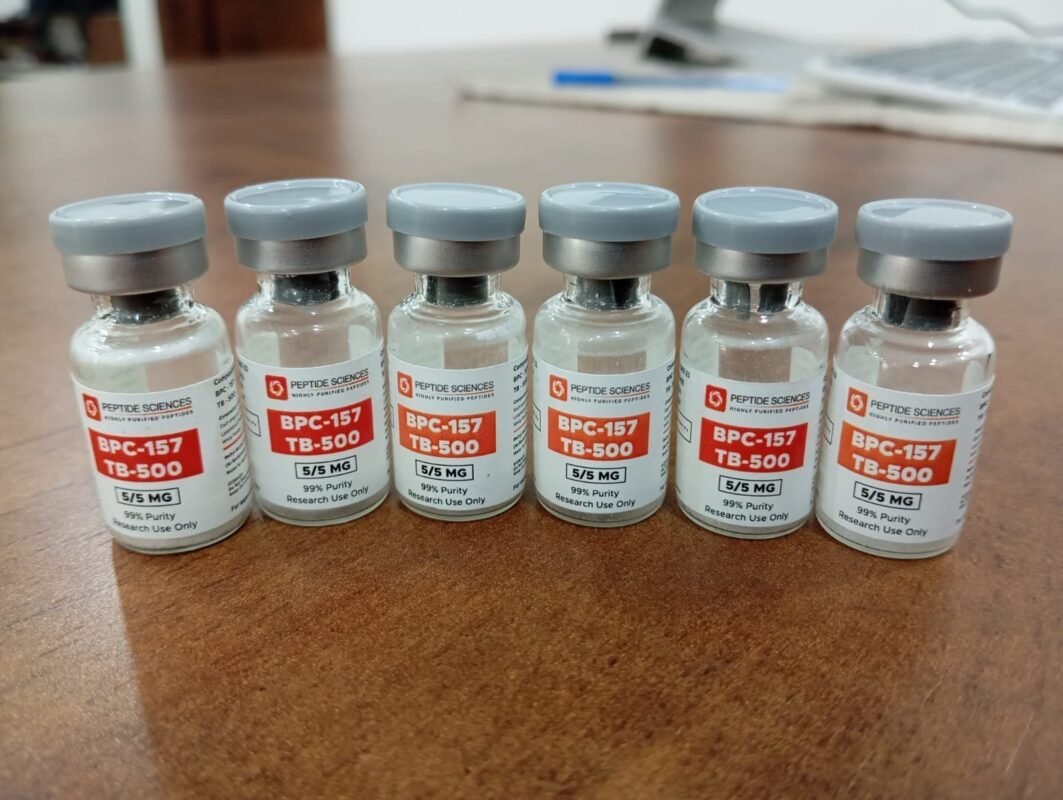
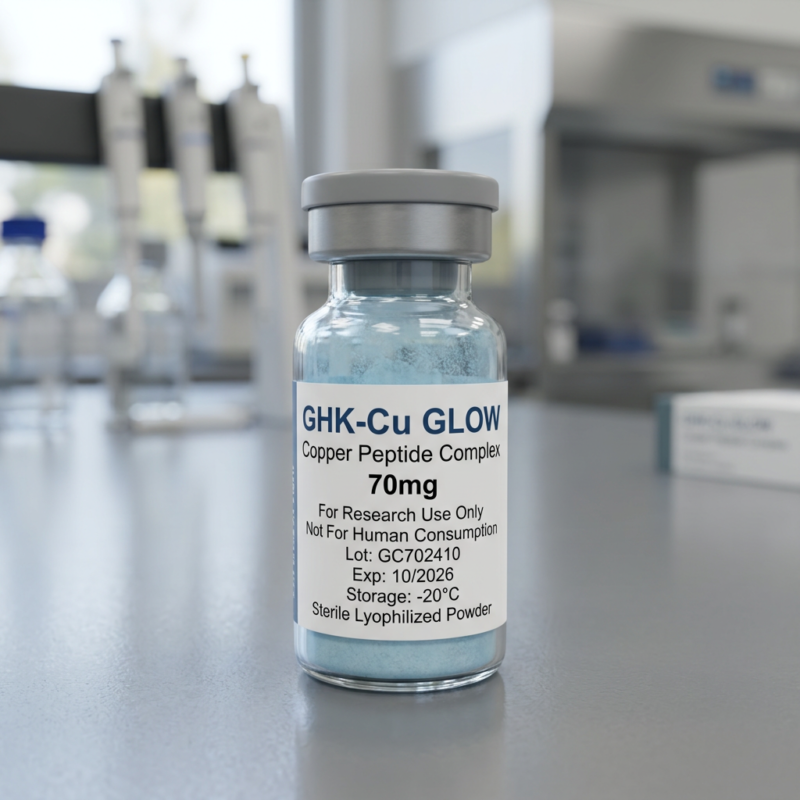
The Glow 70mg peptide stack from EvolvelabsUK combines three compounds — GHK-Cu, BPC-157, and TB-500 — in a single research formulation totalling 70mg. Understanding what each component brings to the blend clarifies why this particular combination has become a preferred format for multi-pathway regenerative research.
| Component | Primary Mechanism | Research Application |
|---|---|---|
| GHK-Cu (50mg) | Collagen synthesis, gene expression, angiogenesis | Skin regeneration, extracellular matrix, anti-ageing models |
| BPC-157 (10mg) | NO signalling, growth factor receptor modulation | Tendon repair, gastrointestinal healing, anti-inflammatory models |
| TB-500 (10mg) | Actin binding, cellular migration | Wound closure, musculoskeletal repair, anti-fibrotic models |
The 50mg GHK-Cu weighting reflects the compound’s primary role as the regenerative backbone of the formulation, with BPC-157 and TB-500 providing complementary acute repair and anti-inflammatory support. Researchers who want to study GHK-Cu in isolation alongside the full Glow stack can pair it with standalone NAD+ compounds from the EvolvelabsUK shop for multi-axis cellular health study designs.
Reconstitution Protocol for GHK – Cu and the Glow 70mg Stack
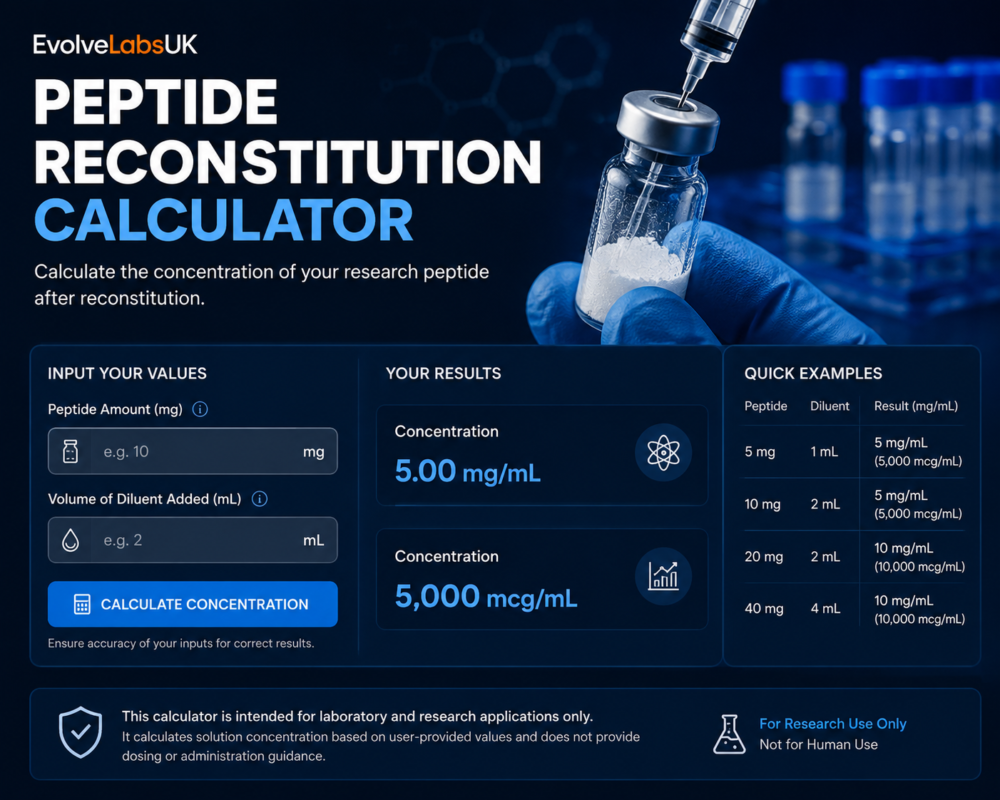
GHK-Cu is water-soluble and reconstitutes cleanly in bacteriostatic water (BW) without requiring additional solvents. For the Glow 70mg blend, add BW slowly along the inner vial wall, swirl gently, and allow full dissolution before drawing a working solution. A 70mg blend vial reconstituted with 7ml of BW yields a working concentration of 10mg/ml across the total blend. Store reconstituted solution at 2-8°C and use within 28 days.
Pre-reconstitution, store the lyophilized Glow 70mg blend at -20°C, protected from light and moisture. GHK – Cu’s copper complex is sensitive to oxidation at elevated temperatures, so temperature control at every stage of the handling chain is non-negotiable for maintaining research-grade compound integrity.
GHK-Cu in the Context of Metabolic and Systemic Research
Beyond skin and connective tissue research, GHK-Cu has attracted interest for its potential role in systemic cellular regulation. Gene expression research suggests GHK-Cu modulates pathways associated with energy metabolism, neurological function, and immune regulation — areas that extend its research profile well beyond dermatological applications.
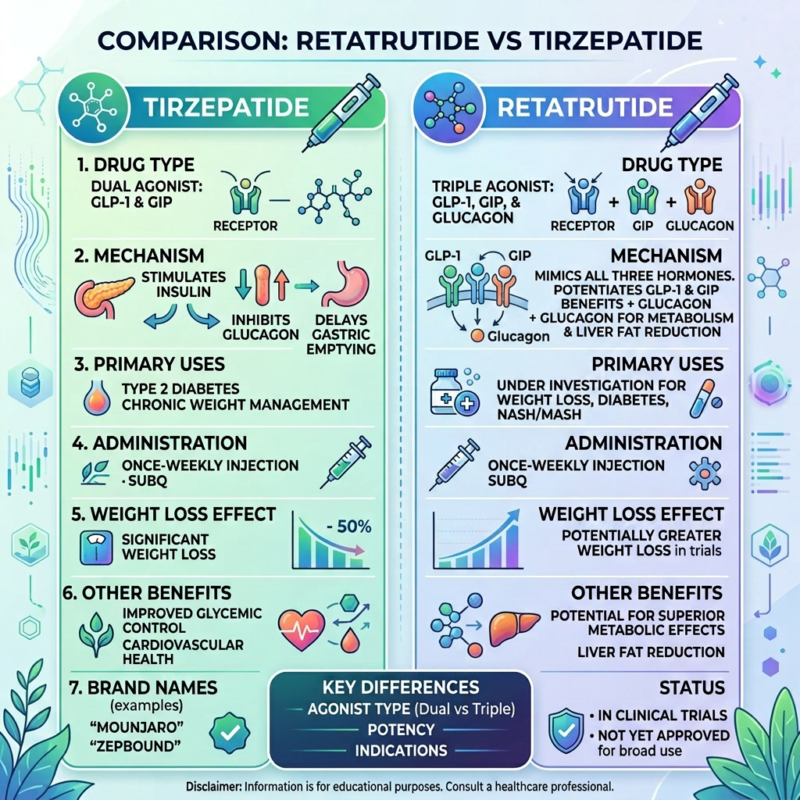
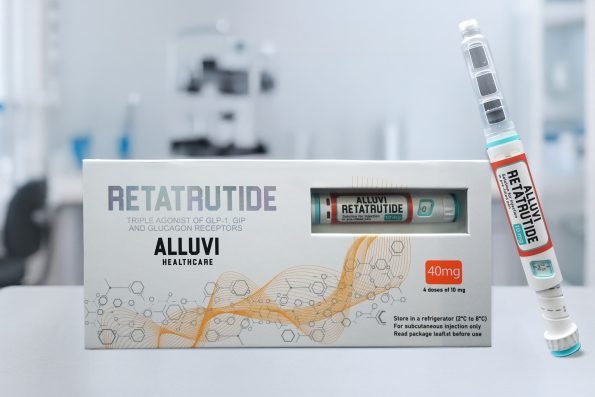
For laboratories combining GHK – Cu-based protocols with metabolic incretin research, EvolvelabsUK offers both the Glow 70mg stack and GLP-1 receptor compounds including the Alluvi Retatrutide 40mg and Tirzepatide 40mg pen. Researchers interested in cellular energy production alongside regenerative peptide protocols will also find the NAD+ injection range a relevant adjacent compound. The Frontiers in Pharmacology journal provides peer-reviewed open-access articles on peptide research across these intersecting research domains.
Where to Source GHK-Cu and the Glow 70mg Stack in the UK
Sourcing research-grade GHK-Cu in the UK requires the same rigour applied to any other controlled research compound. GHK-Cu purity should be confirmed at 98% or above via HPLC analysis, with a batch-specific COA available before purchase. The copper chelation chemistry in GHK – Cu makes concentration accuracy particularly important — a supplier who does not document batch purity precisely cannot guarantee consistent copper-to-peptide ratios across research batches.
EvolvelabsUK maintains research-grade Glow 70mg stock with full documentation and UK logistics. Review our sourcing standards on the About EvolvelabsUK page and procure directly through the EvolvelabsUK shop. For researchers building comparative regenerative protocols, the retatrutide research bundle extends metabolic compound access alongside the Glow stack, and the single-unit Retatrutide 20mg (R&D Only) remains available for smaller-scope protocols. The comprehensive GHK – Cu research review published by NCBI (Pickart et al., 2015) remains the most cited foundational reference for laboratory scientists beginning GHK – Cu research programmes.
Research Use Only: All products referenced are supplied strictly for laboratory and scientific research purposes. Not for human consumption, clinical use, or veterinary application. Always comply with applicable UK regulations.